


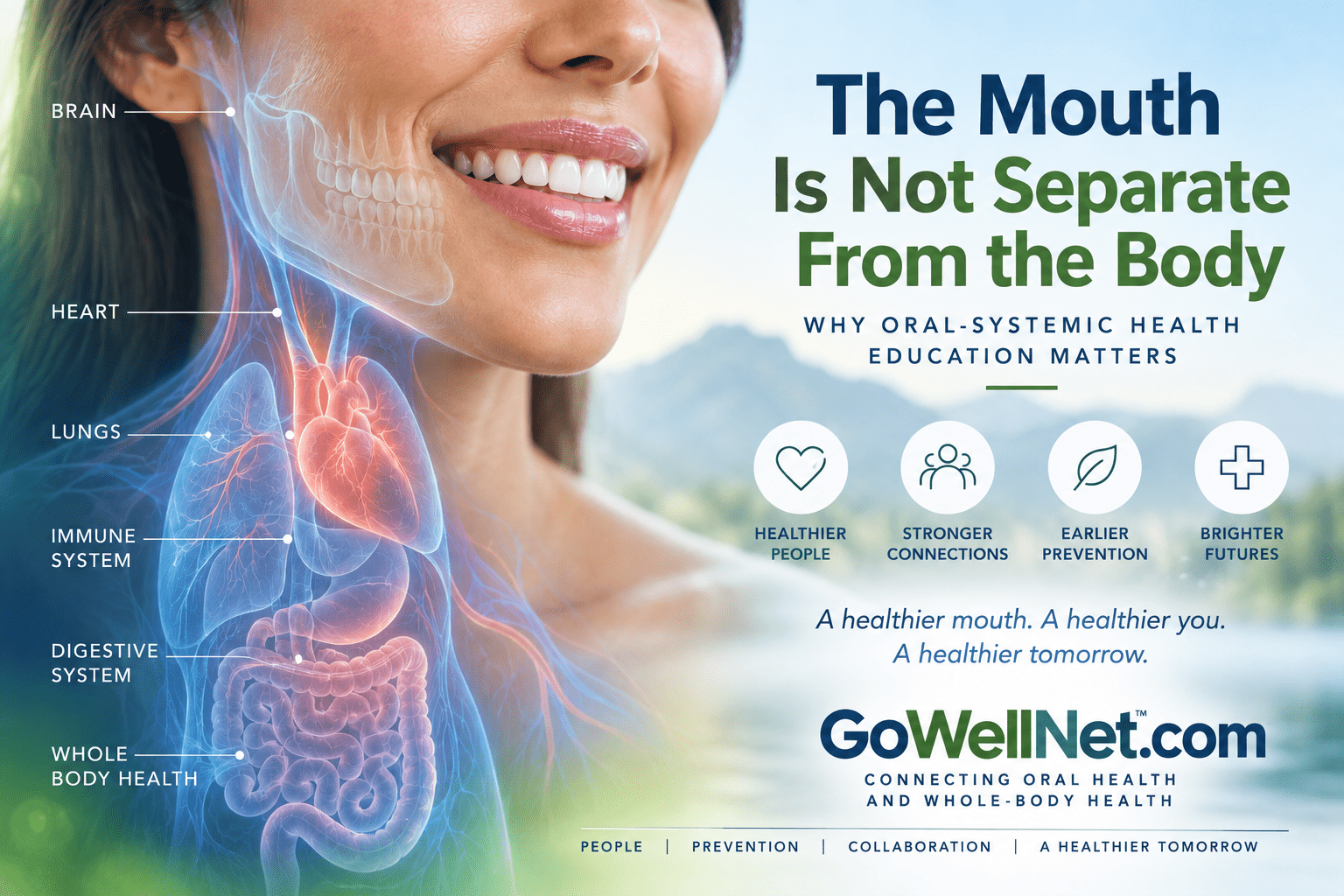
For generations, dentistry and medicine have largely operated in separate worlds.
Dentists focused on teeth and gums. Physicians focused on the rest of the body.
But human biology does not recognize that separation.
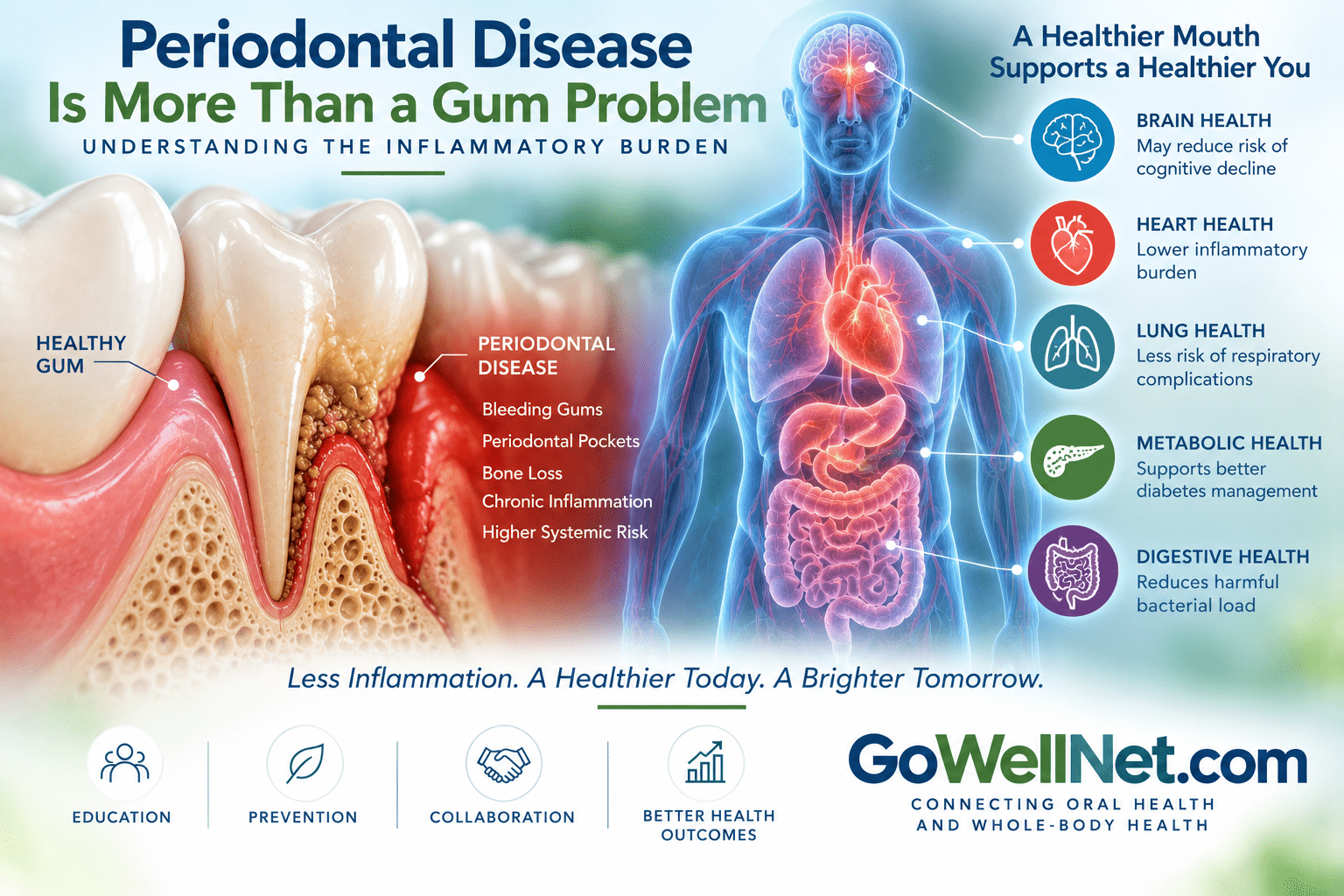
The mouth is connected to the cardiovascular system, immune system, digestive tract, respiratory system, and the rest of the body through blood vessels, inflammatory pathways, microorganisms, and immune responses.
That is why oral-systemic health education is becoming increasingly important.
Oral Health Is More Than Healthy Teeth
A dental examination can reveal much more than cavities.
Bleeding gums, periodontal pocketing, bone loss, changes in the oral microbiome, dry mouth, inflammation, and other findings may provide important information about a patient’s overall health.
Periodontal disease is particularly significant because it represents a chronic inflammatory and microbial burden.
When periodontal tissues become inflamed, the body’s immune system responds. The ulcerated pocket epithelium associated with periodontal disease can also create an opportunity for bacteria and bacterial products to enter the circulation.
This does not mean that periodontal disease directly causes every systemic condition associated with it. It does mean that oral inflammation deserves to be considered as part of a patient’s overall inflammatory burden.
The Oral-Systemic Connection
Research continues to investigate associations between periodontal disease and conditions including:
- Cardiovascular disease
- Diabetes
- Adverse pregnancy outcomes
- Respiratory disease
- Cognitive decline
- Other chronic inflammatory conditions
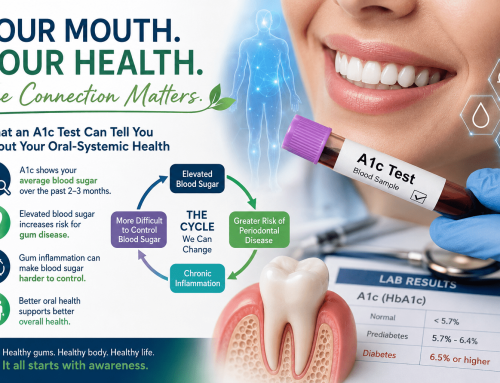
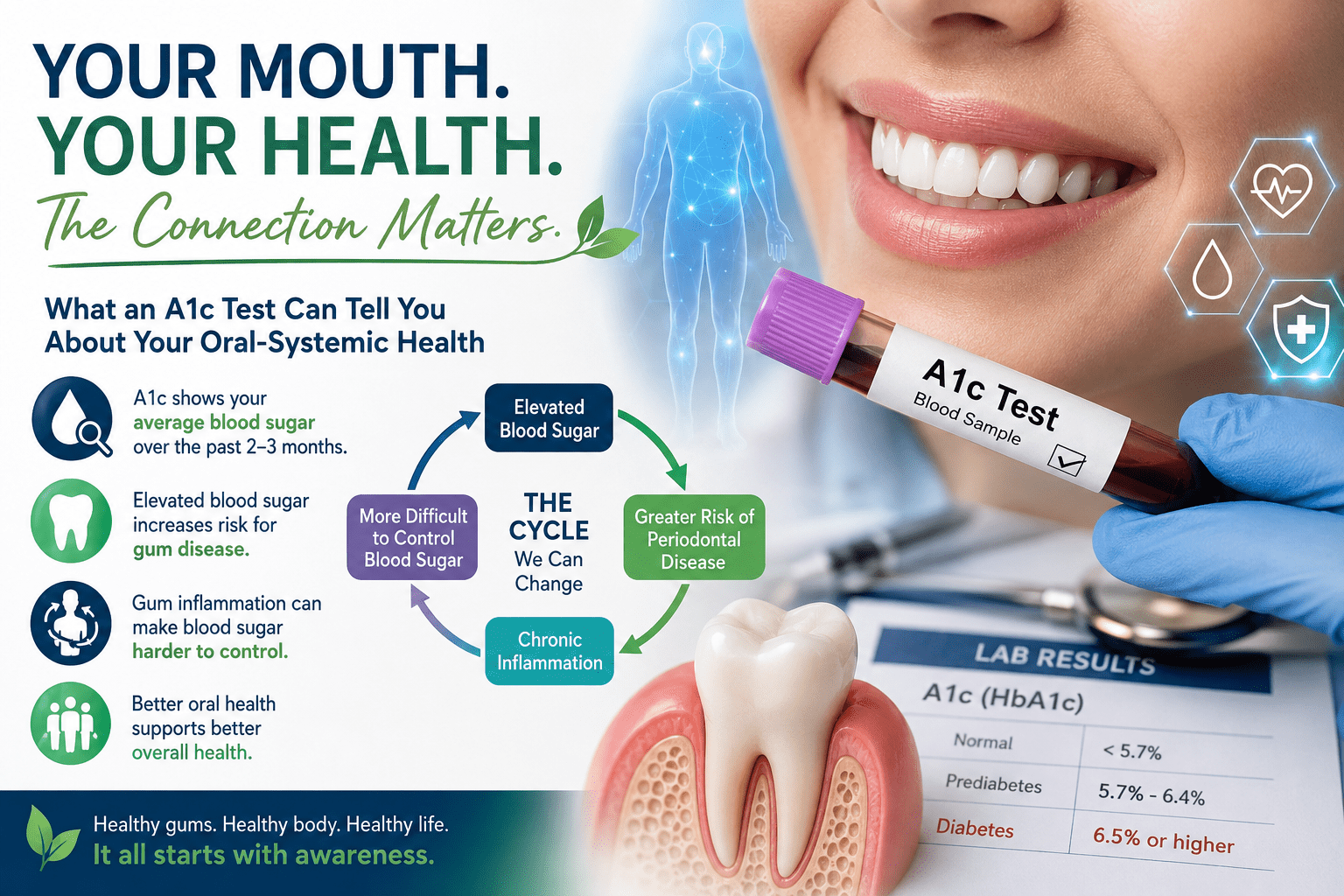
One of the strongest examples is the relationship between diabetes and periodontal disease.
Diabetes can make periodontal disease more difficult to control, while periodontal inflammation may complicate glycemic management. This illustrates an important principle of oral-systemic health:
The relationship between the mouth and body can work in both directions.
Education Changes the Conversation
Patients often think of bleeding gums as a dental inconvenience.
An oral-systemic approach changes the question from:
“Do your gums bleed?”
to:
“Why are your gums bleeding, and what might this inflammation tell us about your health?”
That is a fundamentally different conversation.
It helps patients understand that periodontal therapy is not simply about saving teeth. It is about controlling infection, reducing inflammation, maintaining function, and supporting overall health.
Moving From Repair to Prevention
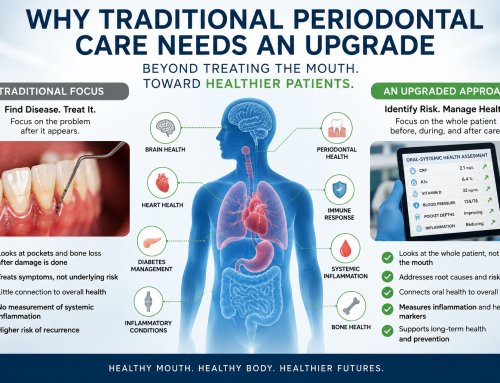
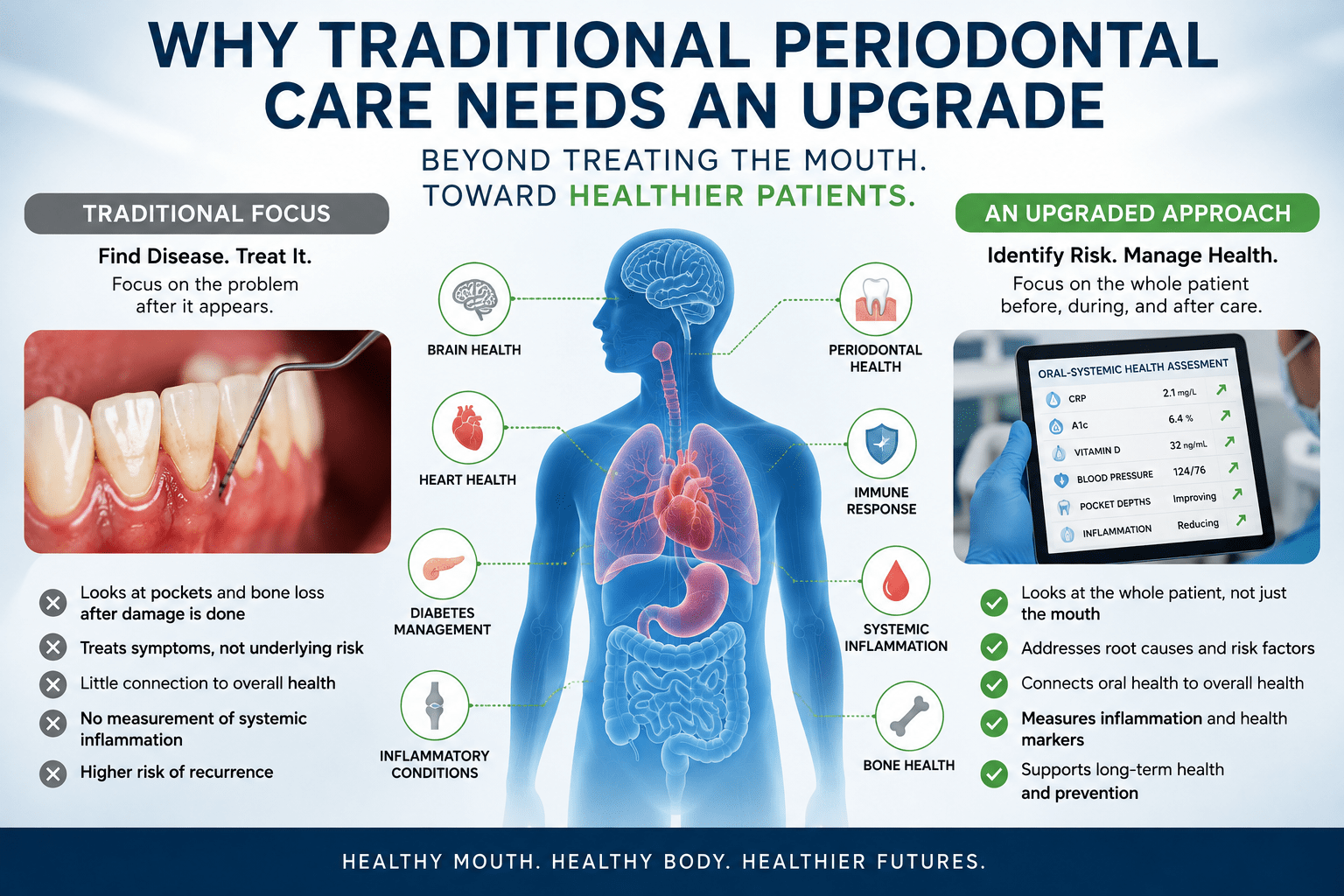
Traditional healthcare frequently intervenes after disease has become obvious.
Oral-systemic healthcare creates an opportunity to identify warning signs earlier.
That may include evaluating:
- Periodontal inflammation and bleeding
- Pocket depths and attachment loss
- Bone changes
- Oral microbial risk
- Blood pressure
- Glycemic risk, including A1c when appropriate
- Inflammatory markers such as C-reactive protein when clinically indicated
- Vitamin D and other health factors when appropriate
- Lifestyle and medical risk factors
No single measurement tells the entire story.
Together, however, these findings can create a more complete picture of risk.
Creating a Culture of Prevention
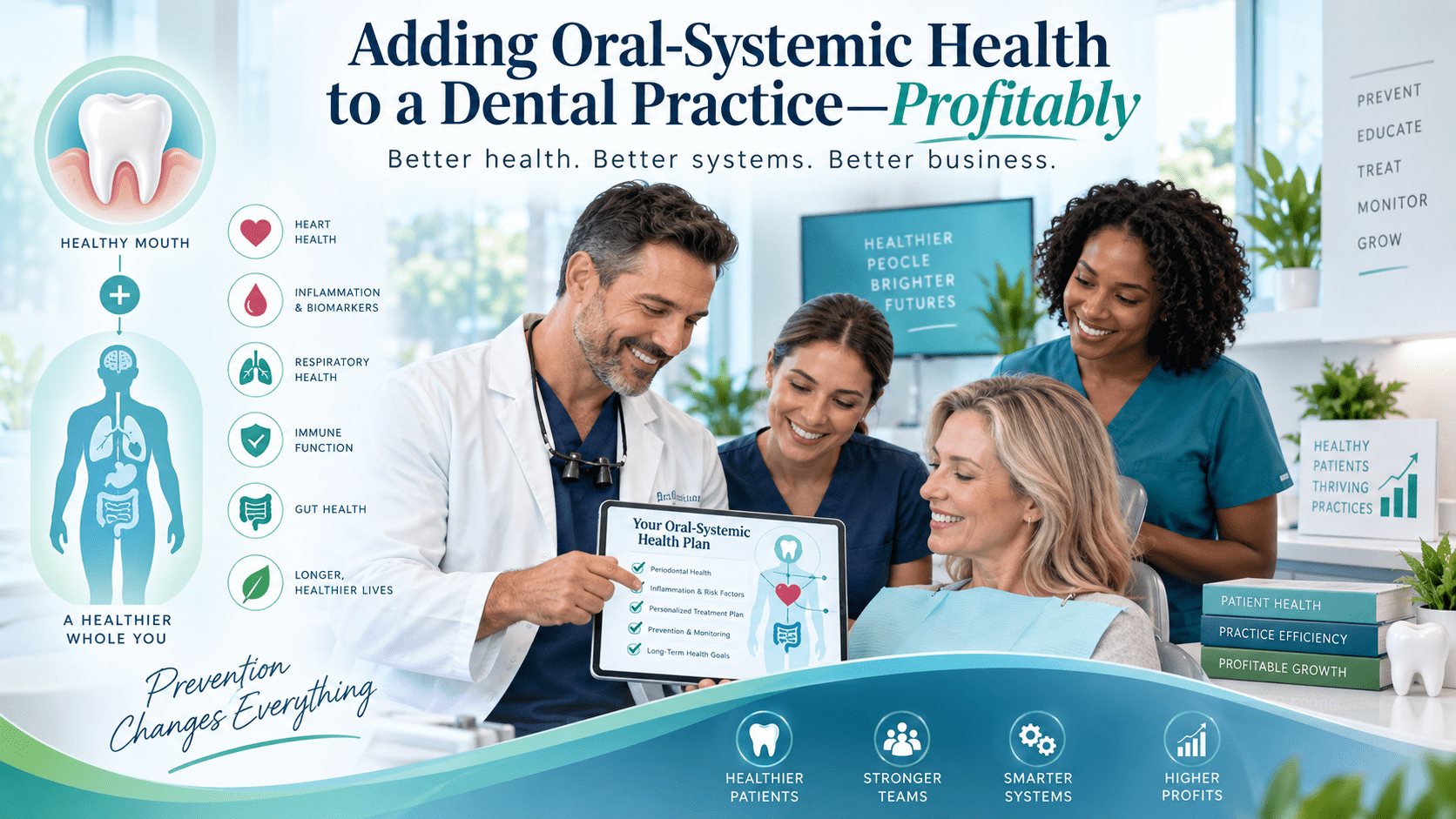
This is where HCP Wellnet’s mission becomes important.
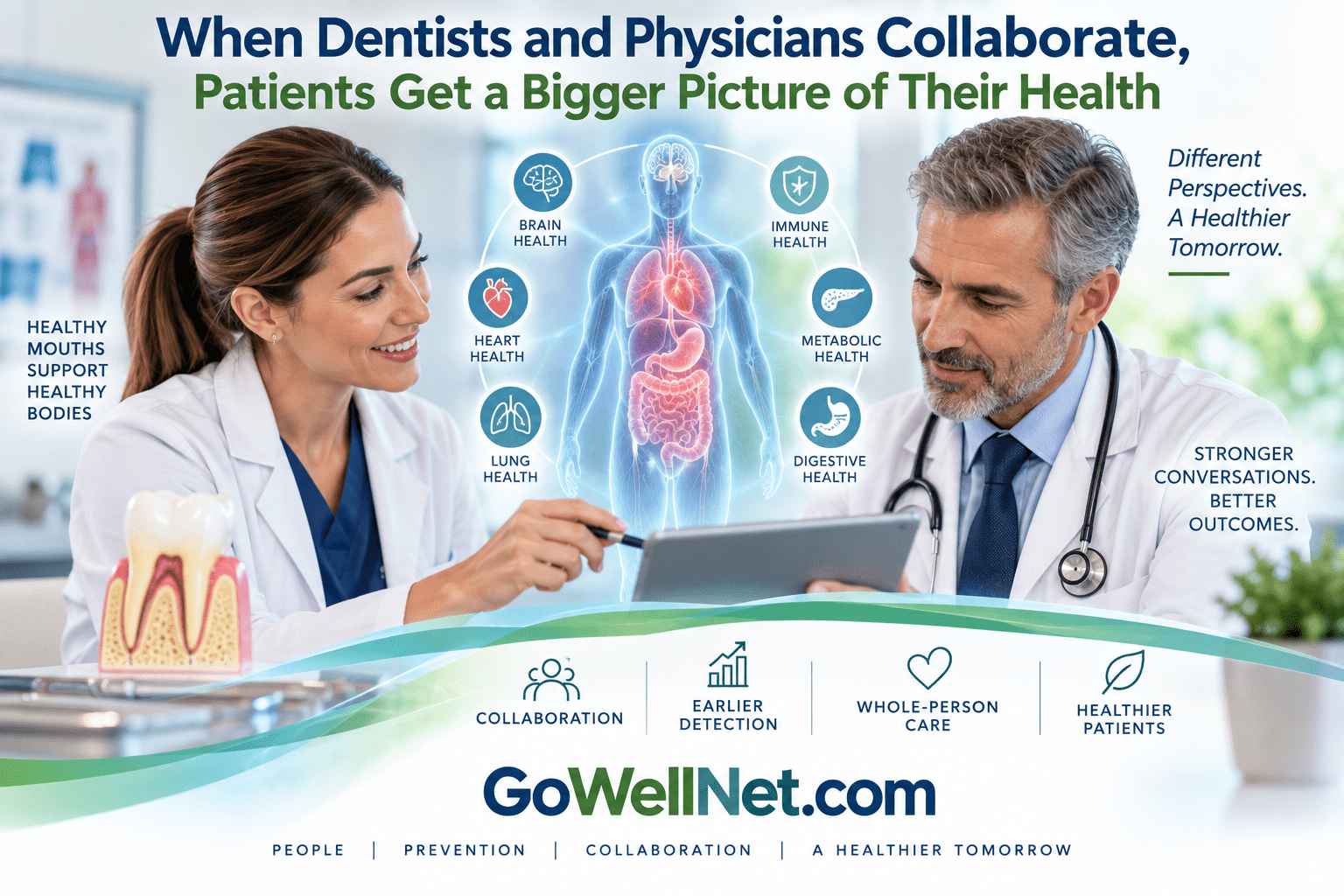
Oral-systemic health should not belong exclusively to dentistry or medicine. It requires communication among dental professionals, physicians, other healthcare professionals, and patients.
The goal is not to turn dentists into physicians or physicians into dentists.
The goal is to help each profession recognize when information from the other side of healthcare could matter.
When healthcare professionals begin connecting those dots, we can move from isolated treatment toward coordinated prevention.
The mouth is not separate from the body. Our healthcare thinking shouldn’t be either.
HCP Wellnet Takeaway
Oral-systemic health education gives patients and healthcare professionals a common language for understanding inflammation, infection, risk, and prevention.
The future of healthcare isn’t simply better dental care or better medical care.
It is better-connected care.
Leave A Comment
You must be logged in to post a comment.