


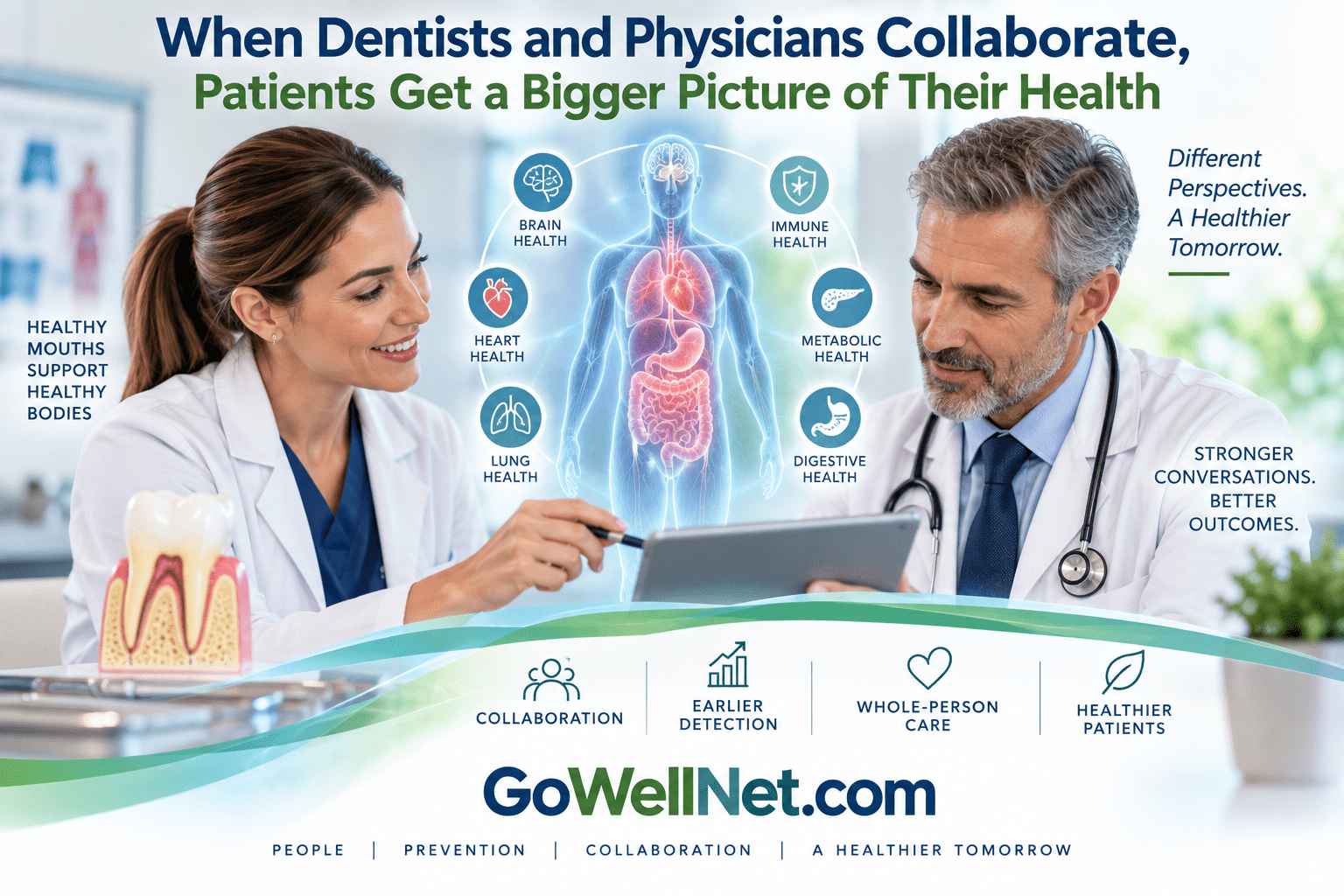
Imagine two healthcare professionals treating the same patient.
The physician sees elevated blood glucose, cardiovascular risk factors, medications, and chronic inflammation.
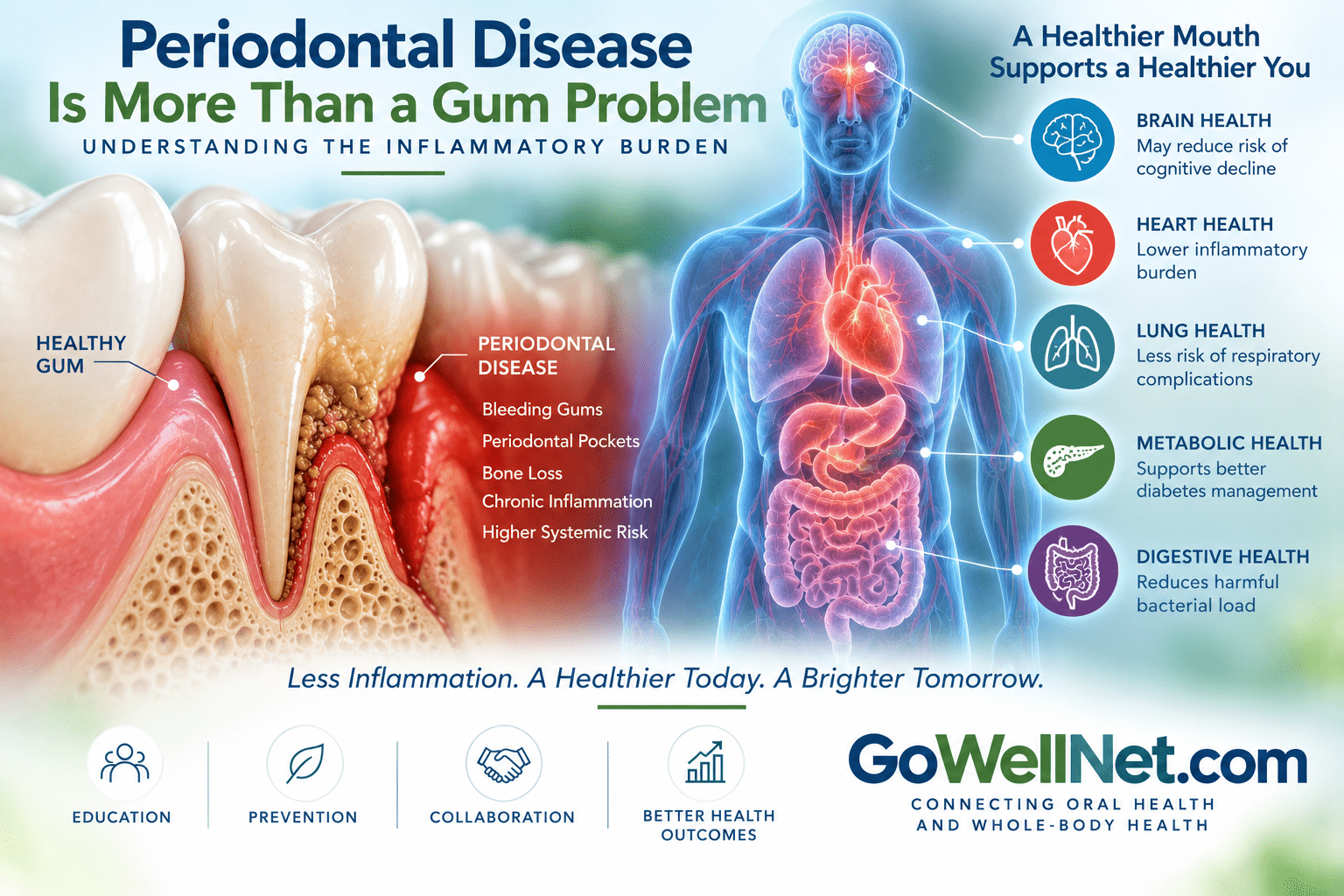
The dentist sees bleeding gums, periodontal pockets, bone loss, oral infection, and changes in the patient’s ability to maintain oral health.
Both professionals may be seeing pieces of the same health story.
But what happens when those pieces are never connected?
The Traditional Healthcare Divide
Medicine and dentistry developed as separate healthcare systems.
That separation affects education, insurance, records, referrals, and even the way patients think about their health.
A patient may tell a physician about chest discomfort but never mention bleeding gums.
The same patient may tell a dentist about periodontal problems without discussing recent changes in blood glucose, cardiovascular health, medications, or other medical findings.
Important information can remain trapped in two separate healthcare silos.
Dental Medicine Expands the Role of Oral Healthcare
Dental medicine does not mean practicing medicine in the dental office.
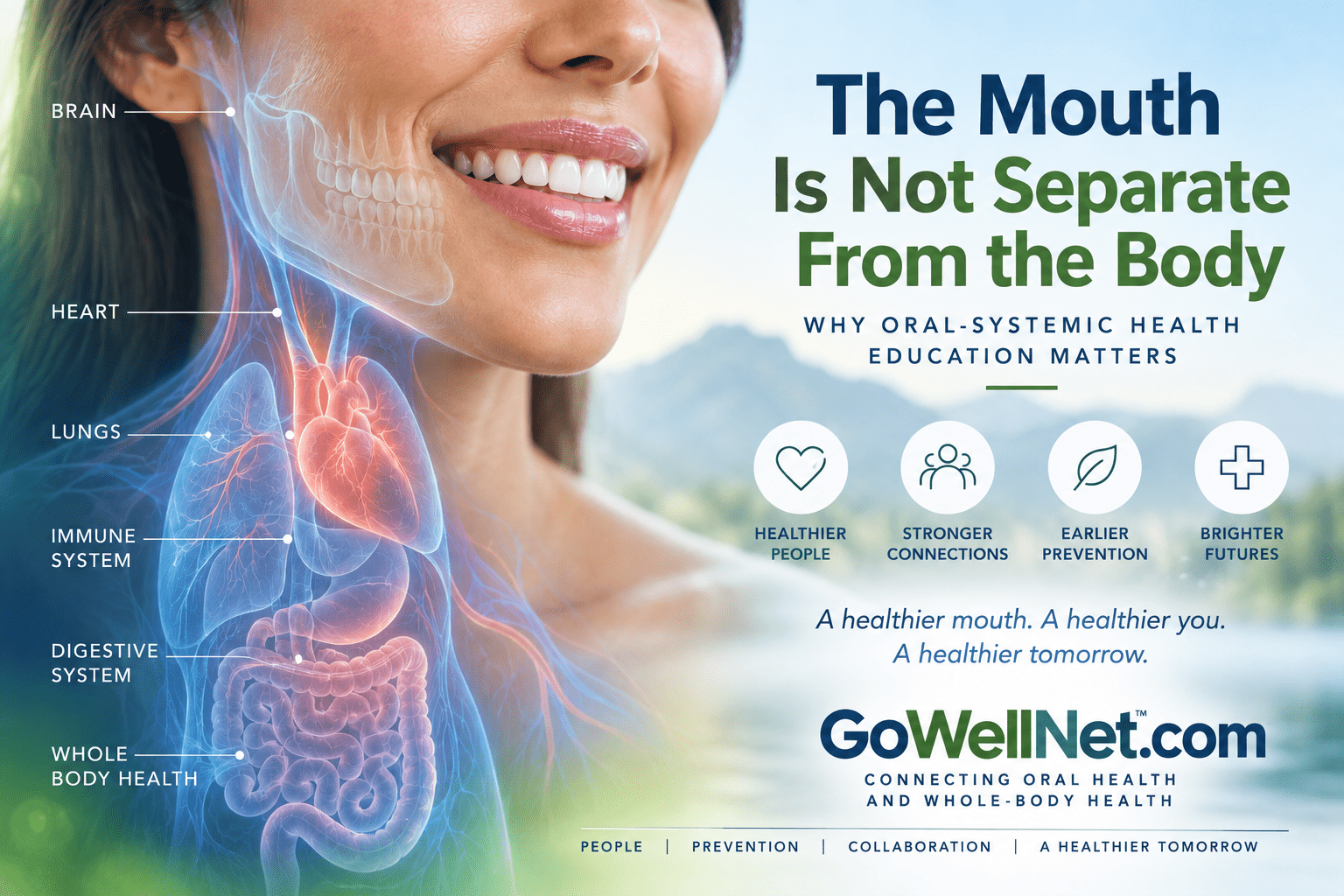
It means recognizing that oral disease exists within the biology of the entire patient.
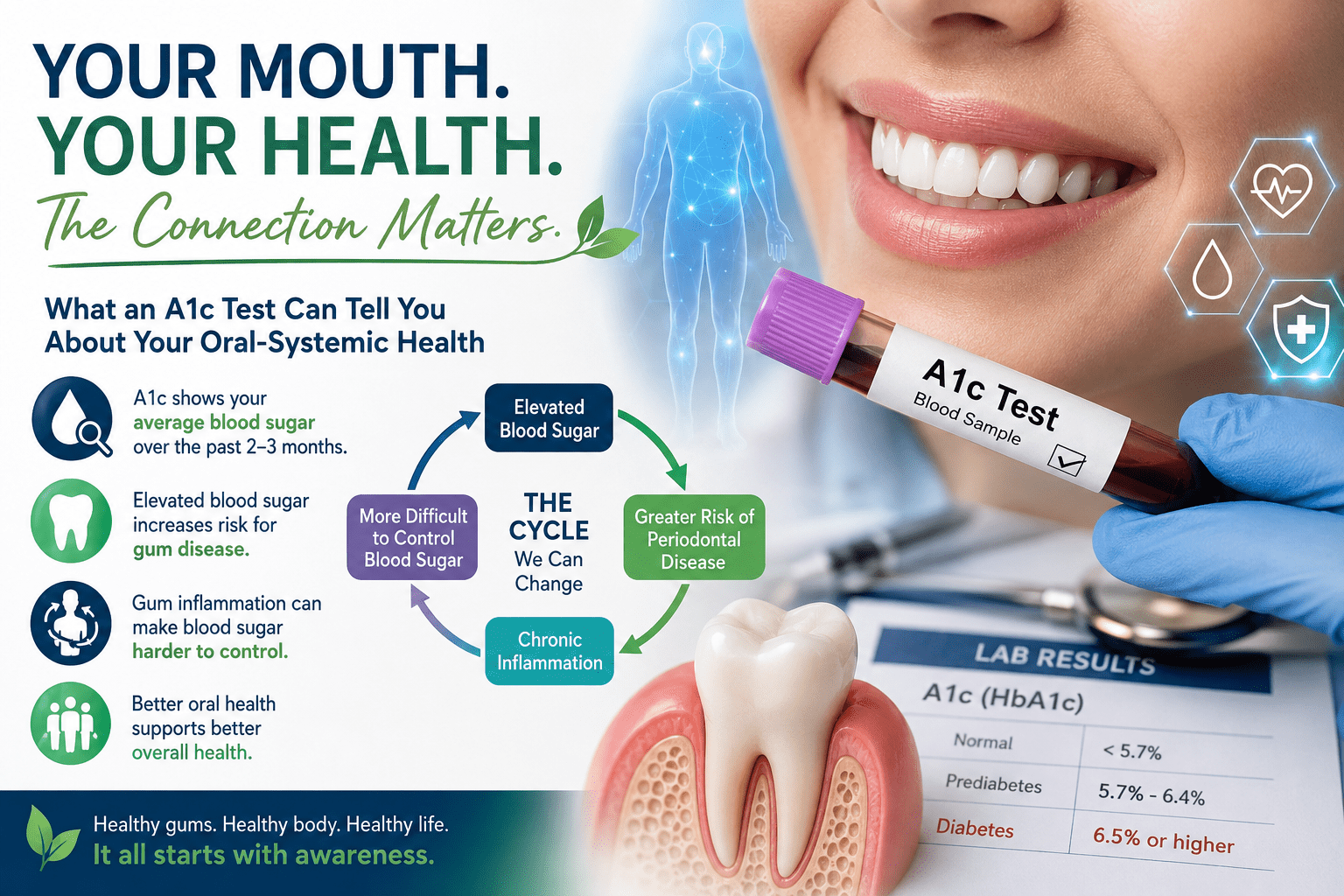
Consider a patient with significant periodontal inflammation and poorly controlled diabetes.
The dentist needs to understand the diabetes because it can affect inflammation, healing, periodontal stability, and treatment outcomes.
The physician may benefit from knowing that the patient has significant periodontal inflammation because managing chronic inflammatory disease is part of understanding the patient’s broader health picture.
Neither provider replaces the other.
They become better partners.
What Should Collaboration Look Like?
Medical-dental collaboration does not have to be complicated.
It can begin with a few practical steps:
- Obtain a meaningful medical history rather than treating it as paperwork.
- Update medications and medical diagnoses regularly.
- Identify patients whose oral findings suggest that medical follow-up may be appropriate.
- Encourage patients with known systemic conditions to maintain periodontal health.
- Communicate relevant findings with the patient’s healthcare team when appropriate and authorized.
- Establish referral relationships between dental and medical professionals.
- Track meaningful changes over time.
The objective is not to diagnose systemic disease from the dental chair.
The objective is to recognize risk and know when collaboration is appropriate.
Biomarkers Can Help Create a Common Language
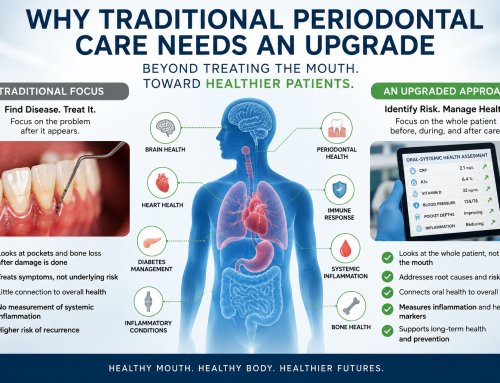
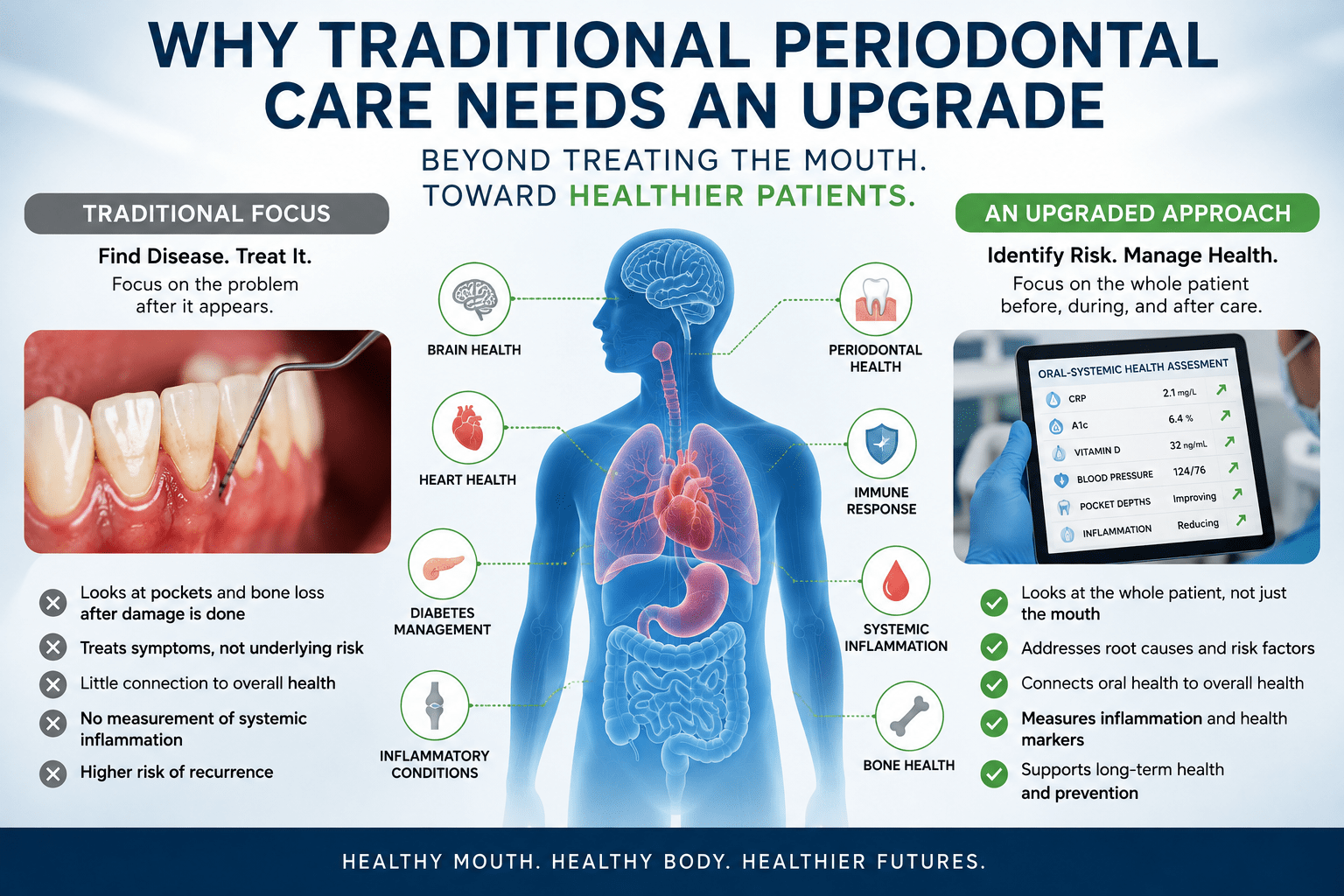
One challenge in medical-dental collaboration is that the professions often measure different things.
Dentistry traditionally tracks:
- Bleeding
- Pocket depth
- Attachment loss
- Bone loss
- Mobility
- Plaque and calculus
Medicine may track:
- Blood pressure
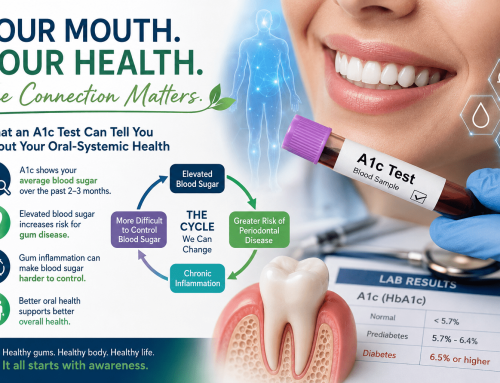
- A1c
- Blood glucose
- C-reactive protein
- Lipids
- Vitamin D
- Other disease-specific biomarkers
When appropriate, bringing relevant information together can help healthcare professionals see trends that might otherwise be missed.
A number on its own is not the goal.
Better clinical decisions are the goal.
The Dentist as an Important Member of the Healthcare Team
Dentists and hygienists often see patients regularly, including people who may not routinely visit a physician.
That creates an important opportunity.
Oral healthcare professionals can identify concerning findings, educate patients about oral-systemic relationships, and encourage appropriate medical evaluation without stepping outside their professional scope.
Likewise, physicians can reinforce the importance of periodontal health when managing patients with diabetes, cardiovascular risk, or other chronic conditions.
That simple change can transform the patient’s perception of dentistry.
The dental office becomes more than the place where teeth are repaired.
It becomes part of the patient’s prevention team.
HCP Wellnet: Connecting the Healthcare Professionals Around the Patient
HCP Wellnet is built around a simple idea:
Better health requires better connections.
Dentists have information physicians may need.
Physicians have information dentists may need.
Patients need both sides communicating.
The next evolution of oral-systemic healthcare will not come from one profession claiming ownership of the problem. It will come from healthcare professionals working together around a shared patient.
Because ultimately, there is no dental patient and medical patient.
There is one patient.
Leave A Comment
You must be logged in to post a comment.